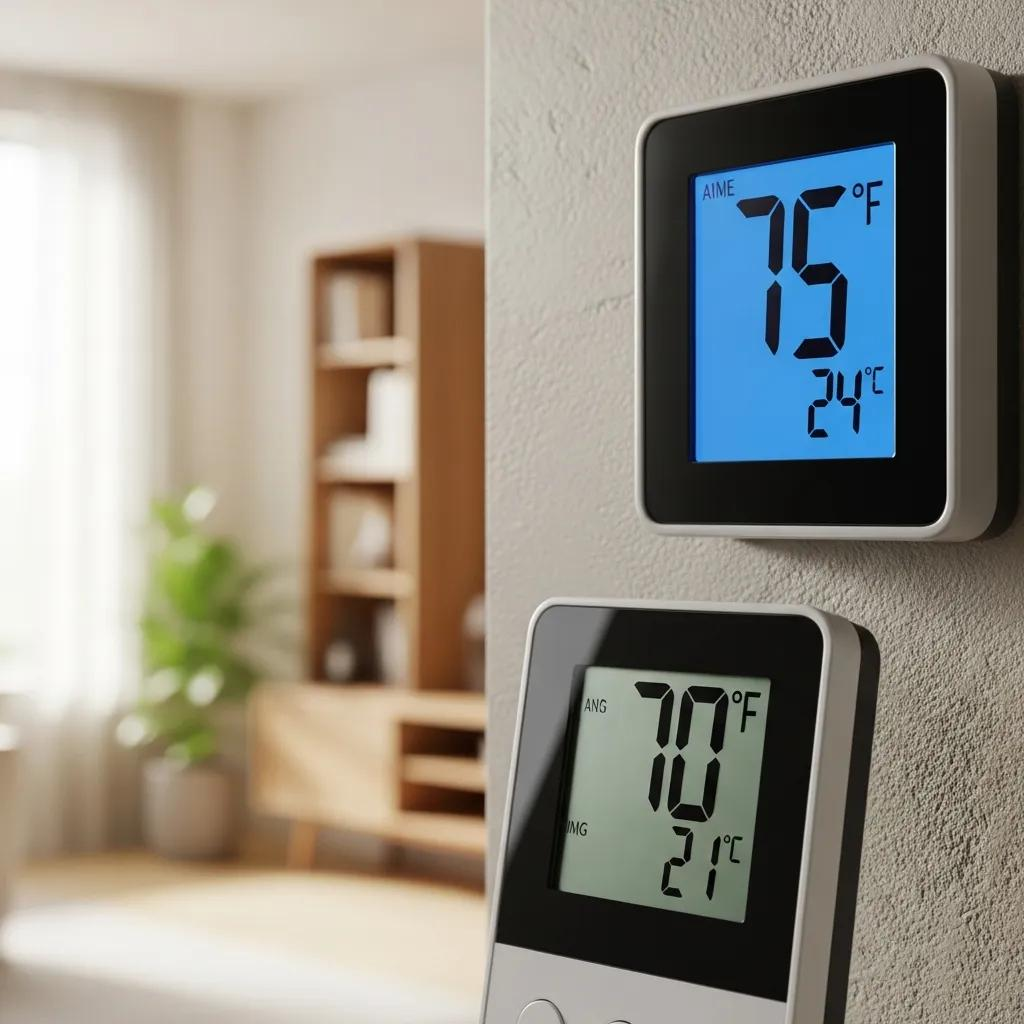
Solve Common Heat Pump Problems with Expert Repair Tips
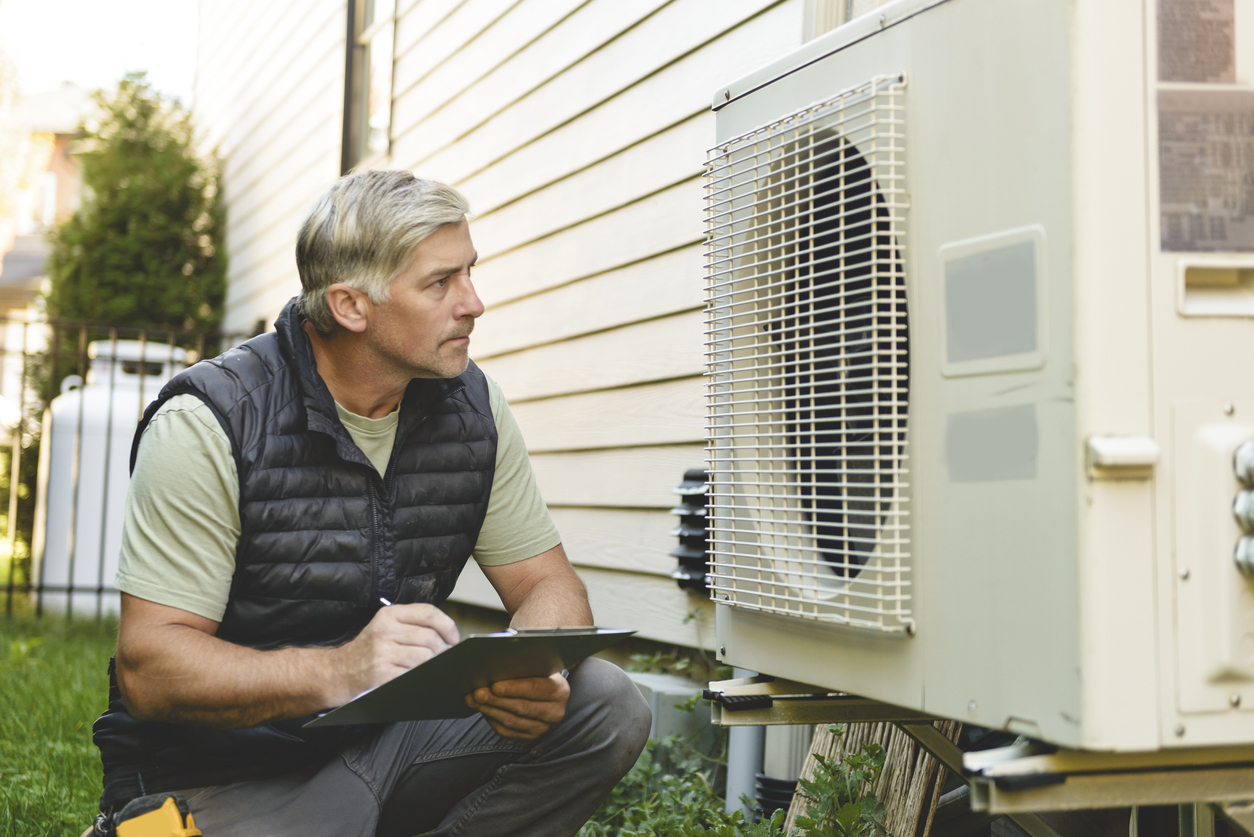
Solve Common Heat Pump Problems with Expert Repair Tips
Heat pumps move heat between your home and the outdoors to provide efficient heating and cooling. When a unit underperforms it quickly affects comfort and energy costs. This guide helps Newberg homeowners spot common heat pump problems, run safe DIY checks, and decide when to call a certified technician. You’ll learn how to recognize a unit that isn’t heating or cooling correctly, why icing happens, what different noises typically mean, basic thermostat and electrical checks for units that won’t start, how to notice low refrigerant, and which maintenance steps prevent repeat failures. Along the way we map symptoms to likely components—compressor, refrigerant circuit, fan motor, contactor, and defrost system—and give clear thresholds for professional repair. Read on for step-by-step checks, decision-focused lists, and local service options chosen with Newberg’s climate and homeowner safety in mind.
Why Is My Heat Pump Not Heating or Cooling Properly?
When a heat pump can’t heat or cool well you’ll usually see a smaller-than-expected temperature difference. That loss of performance comes from impaired heat transfer, restricted airflow, or control faults that change mode or cycling. Causes range from simple—like a dirty filter choking airflow—to complex, such as a failing compressor or low refrigerant that cuts heat transfer capacity. Start with a few safe diagnostic steps: confirm thermostat mode and setpoint, check breakers and the outdoor unit’s airflow, and inspect or replace the air filter. Those quick checks separate control or electrical issues from mechanical and refrigerant faults and point to whether a DIY fix is realistic or you should call a pro. The sections below walk through the most common causes and a practical troubleshooting order to pinpoint the root issue and next steps.
What Are the Most Common Causes of Heat Pump Heating Issues?
Most heating or cooling problems trace back to four areas: airflow, refrigerant, controls, and mechanical parts. Dirty or blocked filters and closed vents reduce airflow, causing long run times and uneven temperatures—often fixed by changing the filter and opening registers. Low refrigerant or a leak lowers heat transfer and can cause icing, longer run cycles, and reduced output; that typically needs leak detection. Thermostat misconfiguration—wrong mode, setpoint, or scheduling—can stop a heat pump from calling for the correct operation and is usually a quick fix. Compressor or contactor issues show as little to no heat and unusual noises or erratic cycling and generally require a technician for diagnosis and repair.
- Common homeowner signs: abnormal runtime, weak vent airflow, uneven room temperatures, and visible icing on the outdoor unit.
- These symptoms help separate airflow and control problems from refrigerant or mechanical issues that need a pro.
- Knowing the symptom patterns speeds correct troubleshooting and avoids unnecessary service calls.
How Can I Troubleshoot a Heat Pump That Isn’t Heating or Cooling?
Begin with safety-first, high-impact checks that quickly rule out easy fixes and clarify whether an HVAC technician is needed. First, make sure the thermostat is in the correct mode (heat/auto/cool) and set to the right temperature; replace batteries and verify schedules to rule out control errors. Next, check the indoor air filter and vents—swap a dirty filter and open closed registers; restricted airflow can look like refrigerant loss but is simple to correct. Then inspect breakers and the outdoor unit’s service switch; reset a tripped breaker if safe and clear debris, leaves, or snow from the outdoor coil. If performance is still poor after these steps, note symptoms such as noise, ice, and run time and call a certified technician for refrigerant testing, compressor diagnostics, or electrical checks.
- Check thermostat settings and batteries: confirm correct mode and setpoint.
- Inspect and replace dirty filters: restore airflow and reduce compressor strain.
- Verify power and clear the outdoor unit: reset breakers if safe and remove debris.
These actions separate common homeowner-fixable causes and prepare the system for a professional diagnosis if needed.
After these basic checks, refrigerant or compressor symptoms should prompt a professional inspection—those issues need certified tools and safety procedures. Renhard Heating & Cooling supports Newberg homeowners with local heat pump repair, certified diagnostics, and transparent pricing when DIY steps don’t resolve the problem.
Why Is My Heat Pump Frozen? Causes, Troubleshooting, and Prevention Tips
“Frozen” usually means frost buildup during cold operation has turned into thick ice that blocks airflow and stops proper heat transfer, lowering output and risking damage. The defrost cycle is designed to reverse operation or add heat to melt frost, but faults in the defrost control board, sensors, low refrigerant, or restricted airflow can stop that cycle from clearing ice. Start by watching the outdoor unit during operation: is frost normal or is ice recurring quickly or persisting after defrost? Immediate safe steps include improving airflow around the unit and allowing an automatic defrost to finish; repeated or heavy icing requires a technician to test refrigerant levels and defrost controls. The following sections explain common causes and homeowner-safe responses to recurring freezing.
What Causes Heat Pump Freezing and Defrost Cycle Problems?
Excessive ice on the outdoor unit stems from reduced airflow, refrigerant imbalance, or control and electrical failures that prevent proper defrosting. Blocked units, packed snow, or dirty coils reduce heat exchange and speed frost buildup—clearing and cleaning reduces that risk. Low refrigerant changes coil pressures and temperatures, creating frost that defrost cycles may not remove and indicating a likely leak. Defrost control boards or sensor failures can stop or mistime defrost periods, producing abnormal ice even with good airflow and refrigerant; those problems need technician-level diagnosis and replacement parts. Noting where the ice forms—suction lines, coil face, or the whole unit—helps narrow the cause.
- Normal defrost cycles cause periodic melting with no lasting buildup; abnormal freezing is persistent and heavy.
- Control or sensor faults often show irregular defrost timing and frost after expected thaw periods.
- Knowing where the ice appears (coils vs. lines) helps choose the next diagnostic step.
How Do I Prevent and Fix a Frozen Heat Pump?
Homeowners can take several preventive and immediate steps while staying within safe DIY limits. Keep the outdoor unit free of vegetation, snow, and debris and maintain clearance so airflow is unrestricted—better airflow reduces frost and helps defrost cycles work. Change filters regularly and keep return vents open because poor indoor airflow can worsen outdoor icing. For a manual defrost: power down the unit and let ice melt naturally—don’t use direct heat or pry on coils. If freezing repeats, or you see oil stains or suspect a refrigerant problem, call a professional to test pressures and defrost controls.
- Keep airflow clear: remove debris and trim plants around the unit.
- Maintain filters and ducts: replace filters and check indoor airflow.
- Allow safe defrosting: power down and let ice melt; avoid scraping or heat guns.
If the issue continues despite these precautions, Renhard Heating & Cooling can diagnose defrost-cycle failures and frozen units for Newberg homeowners—testing refrigerant levels, sensors, and control boards to restore reliable operation.
This table ties common freezing patterns to homeowner actions and the technician steps that restore normal defrost function.
What Are the Reasons for Strange Noises Coming from My Heat Pump?
Unusual noises usually point to mechanical wear, loose parts, or refrigerant issues. Identifying the sound helps prioritize urgency. Rattling or clanking often comes from loose panels, debris in the fan, or mounting hardware and can sometimes be fixed by securing parts and clearing debris. Squealing or high-pitched tones usually indicate motor bearing wear or a failing fan motor and typically need professional replacement to avoid more damage. Loud bangs or thumps at startup can signal compressor trouble or broken mounts—these are high-severity issues that warrant immediate technician attention to prevent further failure. The sections below match noise signatures to likely components and offer clear thresholds for calling a pro.
Which Heat Pump Components Cause Noises?
Different parts make distinctive noises that, paired with other symptoms, help pinpoint the problem. Fan motors and blades can squeal or scrape when bearings wear or blades touch the housing; cleaning or motor replacement may be needed. Compressor faults produce loud clunks, banging, or heavy humming that pair with reduced capacity and longer runtimes; compressor noise is serious and requires professional service. Refrigerant leaks may hiss near fittings or line sets, and oil around joints can reveal the location. Loose panels and debris cause rattles and are often the easiest fixes.
- Fan issues create high-pitched or scraping noises and often precede motor failure.
- Compressor noise is serious and typically requires a technician-level repair.
- Hissing near lines suggests refrigerant trouble and needs certified handling.
When Should I Call a Professional for Noisy Heat Pump Repairs?
Call a technician when noises are persistent, grow louder, or come with performance loss, burning smells, or smoke—these indicate component failure or electrical hazards. If noise continues after clearing debris and tightening panels, or if bearing noise returns within a few cycles, schedule a diagnosis to avoid bigger damage. Immediately shut down the unit and call for professional service if you hear grinding, burning, or sudden loud bangs—running the system risks collateral damage. For intermittent mild rattles tied to loose panels, secure panels and watch performance; if it recurs, have a technician inspect mounts and internal wear.
- Shutdown and call a pro for burning smells, smoke, or sudden loud bangs.
- Schedule service for persistent motor bearing or compressor noises.
- Tighten panels and clear debris for simple rattles, then monitor performance.
These guidelines balance safe DIY fixes with timely professional intervention to prevent expensive failures.
Why Is My Heat Pump Not Turning On? Electrical and Thermostat Troubleshooting
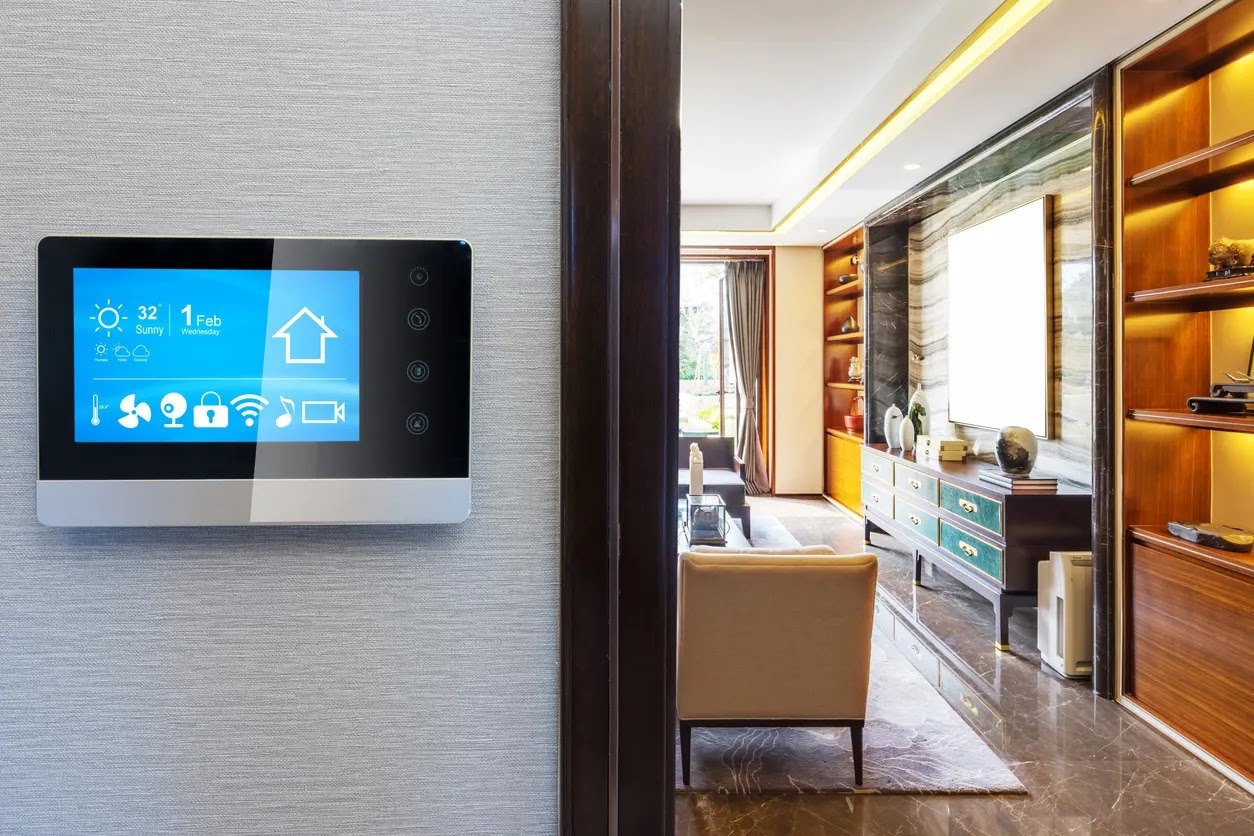
If your heat pump won’t start it’s usually due to interrupted power, a missing control signal, or a failed electrical component that prevents the compressor or fan from energizing. The first place to look is power: tripped breakers, a blown fuse, or the outdoor service switch turned off will keep the unit from starting even if the thermostat calls for heat. Thermostat issues—wrong mode, lost connectivity on smart thermostats, or dead batteries—can stop a proper call; a quick thermostat check rules out many non-electrical causes. Internal electrical parts such as contactors, capacitors, or control boards can also fail and block startup; those faults require technician diagnosis because of safety risks. The subsections below cover thermostat impacts and common electrical problems with safe homeowner checks and escalation points. For more information, visit service heat pump.
How Do Thermostat Settings Affect Heat Pump Operation?
The thermostat tells the system when and how to run, so correct settings are essential. If the thermostat is set to the wrong mode (for example, cool in winter) the heat pump won’t enter heating cycles. Fan settings affect airflow independently of the compressor. Smart thermostats can introduce connectivity or scheduling issues that override manual setpoints—try a manual override and temporarily disable schedules to isolate the problem. Replace thermostat batteries and inspect for obvious wiring damage before calling a technician. If the thermostat looks OK but the heat pump still won’t start, the fault is likely downstream in the electrical supply or HVAC controls and should be checked by a pro.
- Mode and setpoint errors are the easiest to fix—check them first.
- Smart thermostat connectivity can mask a functioning HVAC system.
- Replace batteries and scan for visible wiring issues before calling a technician.
What Electrical Issues Can Prevent Heat Pump Startup?
Electrical problems range from homeowner-fixable to high-risk technician repairs and include tripped breakers, blown fuses, failed contactors, and bad capacitors. Start with simple power checks: a tripped breaker or blown fuse is the most common and lowest-risk cause—reset breakers only when it’s safe. Contactor failure shows as no power to the compressor or fan despite a thermostat call; humming relays or visible arcing require professional replacement. Capacitor failure makes motors hum without starting or start slowly with clicking sounds; capacitors hold charge and must be serviced by trained technicians. Never work on live electrical components—call a certified pro for internal electrical diagnosis and repair.
- Check breakers and the outdoor unit service switch first.
- Avoid internal electrical work; call a technician for contactor or capacitor faults.
- Note behavior (clicking, humming, no response) to speed professional diagnosis.
How Do I Know If My Heat Pump Has Low Refrigerant? Leak Detection and Recharge Solutions
Low refrigerant reduces a heat pump’s heat-transfer ability and shows up as ice formation, longer run cycles, failure to reach setpoint, and sometimes hissing near refrigerant lines. Refrigerant is in a sealed system, so any drop in level means a leak that must be located and repaired before recharging. Professionals use electronic detectors, UV dye, or pressure testing to find leaks in lines, fittings, coils, or brazed joints and then repair or replace the affected parts. After repair the system is evacuated to remove moisture and non-condensables, pressure-tested, and recharged to the manufacturer’s specified charge and pressures. The subsections below explain symptoms and the professional repair sequence so homeowners know what to expect.
What Are the Symptoms of Refrigerant Leaks in Heat Pumps?
Refrigerant leaks present a predictable set of symptoms that help separate them from airflow or control issues. Ice on outdoor coils or suction lines while running—especially when defrost cycles don’t clear it—suggests low refrigerant and pressure anomalies in the evaporator. Systems that run longer without reaching setpoint and produce higher energy bills point to reduced capacity consistent with refrigerant loss. An audible hissing at fittings or visible oil residue often shows the leak location. These signs differ from dirty-filter symptoms, which primarily cause reduced airflow rather than ice plus long runtimes.
- Ice on outdoor coils or suction lines while running—especially if defrost doesn’t clear it—indicates possible low refrigerant.
- Longer run times and higher energy bills point to lost capacity from refrigerant loss.
- Hissing at fittings or oil residue can help locate a leak.
- Dirty-filter problems usually show reduced airflow rather than ice with long runtimes.
How Is Refrigerant Leak Repair and Recharge Performed?
Certified refrigerant service follows a strict order: find and repair the leak, pressure-test the repair, evacuate the system to remove air and moisture, then recharge to the exact manufacturer specification. Technicians start with electronic leak detectors or UV dye to locate the source, then braze or replace lines or components as needed and pressure-test the repair. The system is vacuumed to remove moisture that harms oil and refrigerant performance, then subcooling and superheat are measured during recharge to confirm correct charge. Because refrigerant handling requires certification and regulatory compliance, homeowners should not attempt recharging—hire a certified technician for safe, compliant service and documentation.
- Locate leak with an electronic detector or UV dye.
- Repair or replace leaking lines/components and pressure-test the fix.
- Evacuate the system and recharge to manufacturer specs with documented testing.
For Newberg homeowners needing certified leak detection and recharge, Renhard Heating & Cooling provides local, certified service focused on accurate leak location, proper evacuation, and documented recharge to restore capacity and efficiency.
Conclusion
Knowing common heat pump issues and how to respond helps Newberg homeowners keep their homes comfortable and energy-efficient year-round. Follow the practical troubleshooting steps here and be ready to call a certified technician when problems point to refrigerant, compressor, or electrical faults. Timely maintenance and professional tune-ups protect performance and extend equipment life. For expert help and maintenance plans tailored to local conditions, contact Renhard Heating & Cooling.
Customer Testimonials
Hear what our satisfied Newberg, OR, customers have to say about the honest, reliable service they've received from our multi-generational team.

Latest Posts

Upgrade to Energy Efficient HVAC for Maximum Savings